40 sleep tips for a good Forty Winks


Turning 40 can trigger mixed feelings – but rather than buying a flashy sports car, making a big career change or planning a trip around the world, we've decided to celebrate this milestone a little differently.
While it's true that you're as young as you feel, let's face it: four decades is a long time. And we've picked up a few pearls of wisdom along the way. So for every year Forty Winks has been around, we're sharing one handy hint to help you get a better night's sleep.
Disclaimer: we crowd-sourced these tips from our team, so some of them are purely anecdotal.
A special shout-out to our content manager Kate Roscrow, merchandise planner John Cribbin, marketing specialists Indy Muir and Shreya Somani, e-commerce coordinator Matt Stringer, and product support coordinator Libby Kulas, for their helpful (and at times, humorous) contributions.
Here are 40 tips to help you get a good Forty Winks.
1. Have a routine
When it comes to sleep, timing is everything. If you train your body to go to sleep and wake up at the same time every day (yes, that means on weekends too), you'll find it easier to consistently get the rest you need.
2. Get plenty of sun
Did you know that sunlight plays a crucial role in regulating your circadian rhythm? It suppresses melatonin production and keeps you awake during the day, while night-time triggers the onset of sleep.
3. “At least 30 minutes of exercise during the day – otherwise I can't sleep.” – Matt
Whether it's running, walking, swimming, dancing or cycling, there are lots of ways you can stay physically active. Regular exercise can support better sleep, so finding a way to move that works for you can be a handy addition to your daily routine.
Find out more about the link between exercise and sleep.
4. Naps should be short and sweet
If you're partial to a catnap, keep it under 30 minutes – and don't leave it too late in the day. Otherwise you could be up counting sheep for hours!
5. Create a tranquil environment
Try incorporating natural colours, earthy textures and a few indoor plants into your sleep space. Creating a bedroom that feels calm, comfortable and inviting can help set the scene for winding down at the end of the day. Looking good is a nice bonus.
Check out our guide to creating a tranquil, eco-friendly sleep space.
6. Your bed is for sleep only
We understand how tempting it can be to eat breakfast, watch a movie or even work in bed – but if you keep your bed exclusively for rest, the simple act of slipping beneath the covers will cue feelings of sleepiness.
7. “It is worth investing in a supportive mattress and pillow – if you know you know.” – Libby
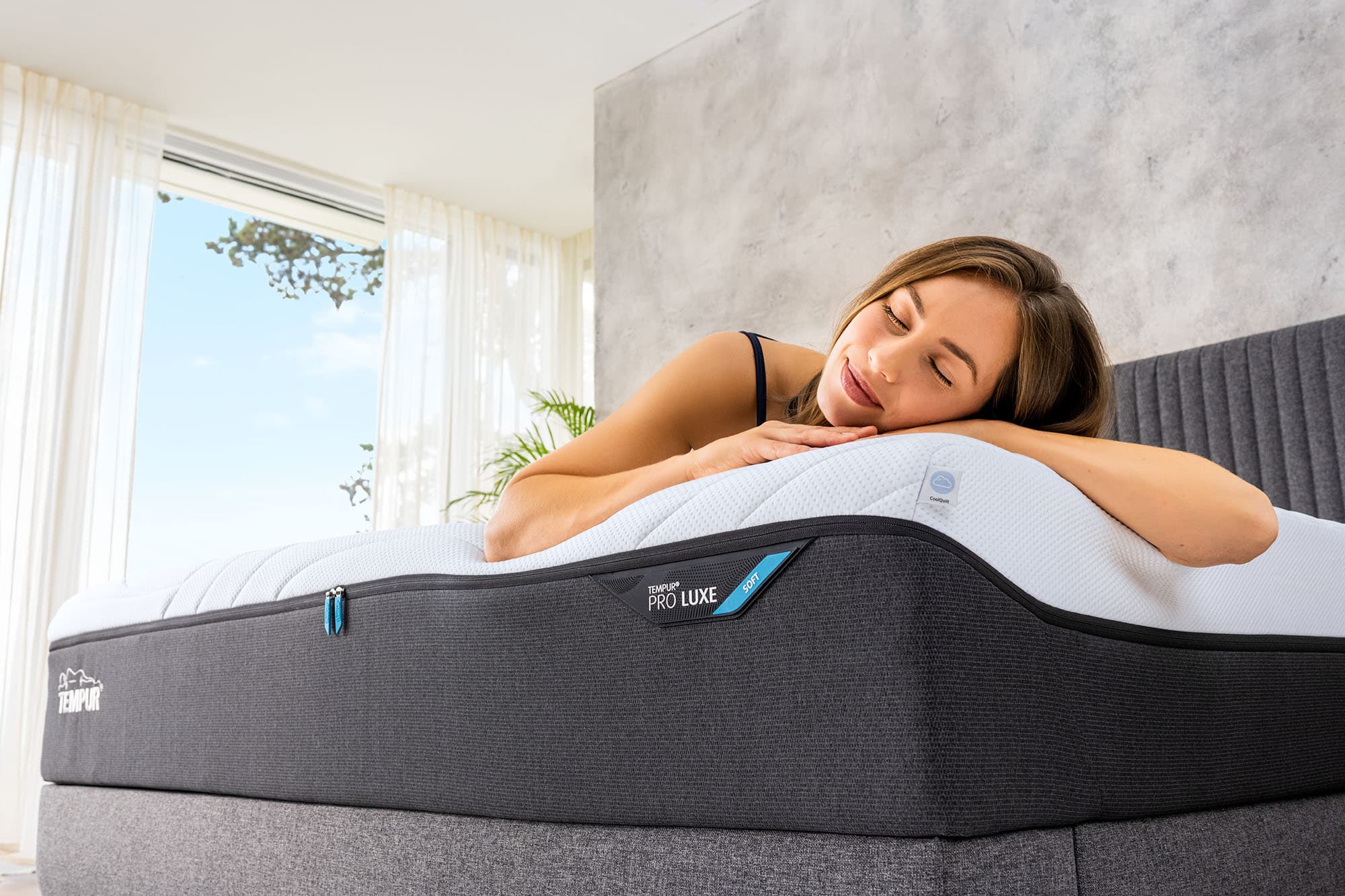
Your mattress and pillow both play an important role in how comfortable and supported you feel during the night. The right combination for you should provide the support your body needs to help maintain a natural sleeping posture, along with the level of comfort you prefer.
Not sure where to start? Explore our range of mattresses.
8. “Phone on do not disturb mode, charging and put away for tomorrow.” – Indy
Your phone might be small, but it has a remarkable ability to keep you occupied well past bedtime. Light from electronic devices, along with everything you're scrolling, watching and reading, can make winding down more difficult.
Learn more about the impact of screen time on sleep and why you should curb that doom-scrolling habit.
9. Quit smoking (and vaping)
Cigarettes – and most e-cigarettes – contain nicotine, which is a stimulant. For this reason, it's common for smokers to have trouble falling asleep and report poorer sleep quality. Nicotine withdrawal can also make you feel tired (and cranky) during the day.
10. Steer clear of alcohol and caffeine near bedtime
Caffeine's an obvious one, but lots of people assume a nightcap will make them sleep better. Unfortunately, alcohol is associated with night sweats, frequent awakenings, headaches, nightmares and general restlessness.
Find out which beverages we recommend before bed.
11. “A nice cup of chamomile tea before bedtime.” – Shreya
Chamomile tea has been linked to a range of potential health benefits, including sleep. Plus, it's naturally caffeine-free – which is a win-win.
12. Or, if you're like Matt, you might prefer to opt for the “T2 Sleep Tight tea an hour before sleeping (not too close to sleep or you wake up needing to use the loo).”
Thanks for that last bit, Matt.
13. Eat nutritious foods
Experts suggest there may be a relationship between diet quality and sleep. A healthy, balanced diet with plenty of fruits and vegetables is a good place to start, while foods high in saturated fat and sugar are best enjoyed in moderation.
Get more advice on which foods you should and shouldn't eat for quality sleep.
14. Keep a sleep diary
Logging what time you go to bed and wake up each day, plus things you notice during the night like snoring or tossing and turning, can help you spot patterns in your sleep habits. Think of it as a little detective work, minus the trench coat.
15. Avoid midnight feasts
There's nothing worse than going to bed on a full stomach. Do your body a favour and give it a couple of hours to digest your dinner before hitting the sack.
16. “Listen to meditation music.” – Shreya
Classical, jazz, R&B… whatever relaxes you.
17. Set a bedtime reminder
If you're someone who finds themselves saying “one more episode won't hurt” a lot, this one is for you. Set a reminder on your phone to stop delaying bedtime!
18. “Reading a book before you sleep to escape into another world.” – Kate
Can't stay away from your phone? Swap it for a book – they're blue-light free (although arguably more addictive).
19. Have a shower or bath
While a cold shower is a great way to wake up in the morning, a warm bath can help you relax and unwind before bed.

20. Write down all your worries
If you're a natural stress-head or just constantly busy, don't let that keep you up at night. One US study showed that writing a to-do list before bed could speed up the onset of sleep.
21. “Keep the room cool.” – Matt
Being too hot at night can make it harder to get comfortable and may disrupt your sleep. Keeping your bedroom at a comfortable temperature can help create a more sleep-friendly environment.
If you're a naturally hot sleeper, explore our cooling range or see our tips on how to beat the heat.
22. Try progressive muscle relaxation
After a stressful day, progressive muscle relaxation (PMR) can help reduce muscle tension and prepare your body for sleep. It's super easy – check out this step-by-step guide to PMR.
23. Practice mindful breathing
Slow, mindful breathing can be a simple way to help you relax and shift your attention away from the day's distractions. Techniques like the 4-7-8 method, are one option you can try as part of your wind-down routine.
24. “A dark room with no lights.” – John
A dark room signals to your brain that it's time to power down, so shut the blinds, switch off the lights, and put away any light-emitting electronic devices.
25. Light a couple of scented candles
A calming fragrance can be a lovely way to make your bedroom feel more relaxing. If candles are your thing, enjoy them while you're winding down, then make sure they're completely extinguished before you get into bed. Your sleep routine doesn't need any unexpected pyrotechnics.
26. Don't watch the clock
If sleep is evading you, don't keep checking the time – it'll probably make things worse. Get up and have a cup of tea, read a book or do a bit of journaling before heading back to bed.
27. Try Forty Winks bedMATCH®
Finding a mattress can feel like a lot. Firm, plush, somewhere in between... where do you even start?
That's where Forty Winks bedMATCH® can help. This patented diagnostic system uses over 1,000 scientific calculations across 18 body measurements to help determine your individual postural support needs and guide personalised mattress recommendations.
Visit us in-store and chat with one of our trusted Sleep Advisors to discover mattresses suited to your support needs and comfort preferences.
28. Sleep under a weighted blanket
Some people find the gentle, even pressure of a weighted blanket calming and comforting at bedtime. They're not for everyone, but if you enjoy that tucked-in feeling, a weighted blanket could be worth exploring as part of your wind-down routine.
29. Your PJs make all the difference
Opt for cosy flannel or fleece in the winter, and lightweight, breathable materials like cotton, linen and bamboo in the summer.
30. “Lavender oil on your temples! Helps you to relax as it's a calming fragrance.” – Kate
We love the thinking behind this one from Kate. Lavender is a popular fragrance for creating a calm, relaxing atmosphere before bed, and there is some research exploring its relationship with sleep.
If you're using lavender oil on your skin, always follow the product directions carefully. Or keep things simple and enjoy the fragrance in your bedroom instead.
31. Clean up the clutter in your bedroom
Maybe this goes without saying, but it's easier to unwind when your bedroom feels calm rather than chaotic. Clearing away the clothes, cups and assorted bits and pieces can help create a more relaxing space to settle into at the end of the day.
Will the washing chair finally become an actual chair again? That's between you and the washing chair.
32. Block out the noise with a pair of earplugs
Earplugs are a great solution if you're constantly being disturbed by a snoring partner or noisy neighbours.
33. Or: “Rain sounds sometimes for white noise help.” – Matt
Unless you live in Melbourne, in which case, no rain simulations are necessary.
34. Wear a sleep mask
Streetlights, early morning sun or a partner who insists on checking their phone can all make a dark bedroom harder to achieve. A sleep mask is a simple way to block out unwanted light and create a darker environment for sleep.
35. Banish kids and furry friends
We know they're cute, but if they're interrupting your slumber, it's time to set some boundaries.
Here's how to stop co-sleeping.
36. “Need to train the dogs not to bark at 3am in the morning!” – John
See tip no. 32, John.
37. Humidify the air
If dry air is making your bedroom uncomfortable, a humidifier can add moisture to the air and may make the space feel more comfortable. Just remember to use and clean it according to the manufacturer's instructions.
38. “Cotton or bamboo sheet sets – they feel great and wash up well!” – Libby
They're breathable too, which is great for warmer nights.
39. Sleep on a satin or silk pillowcase
Prefer something a little smoother under your head? Satin and silk pillowcases have a soft, smooth feel that can make your bed feel that little bit more luxurious.
And really, we'll take our small luxuries where we can get them.
40. Invest in a zero-gravity bed
An adjustable bed lets you change your sleeping or resting position at the touch of a button, so you can find an angle that feels comfortable for you. Depending on the model, you may be able to independently adjust different sections of the bed to suit how you like to relax and sleep.
If you're considering an adjustable bed for a particular health concern or medical condition, it's best to speak with an appropriate healthcare professional about what's suitable for you.
Discover more about zero-gravity and adjustable beds.
Forty years (plus a few more), 40 tips and one thing we're still completely serious about: helping you get a better night's sleep.
About Brodie
Design & trusted Sleep Advisor
Brodie shapes how everything looks and lives the sleep-advocate life. Dad of two who knows firsthand that a solid 8 hours isn't a luxury, it's survival. When he's not obsessing over how a mattress feels, he's making sure it looks the part too.